we are AXISCHEM

Products
Chemicals

Solutions tailored to each industrial need.

Our values

Mission

To meet our customers’ needs by offering high-quality chemical products and materials imported from reliable suppliers, with a focus on continuous improvement, innovation, and the development of customized solutions that add value to their production processes.

Vision

To be recognized as a benchmark in the market for the import and distribution of chemical products, standing out for our excellence in service, the reliability of our products, and our commitment to sustainable growth and customer satisfaction.

Quality Policy

Committed to quality and customer satisfaction, we work daily to exceed expectations and strengthen our leadership in the market.


Our commitments
Products

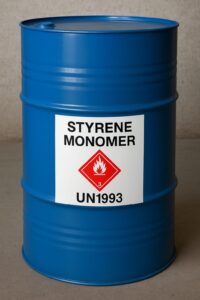
Styrene monomer

Styrene monomer is a transparent, colorless liquid chemical compound belonging to the family of aromatic hydrocarbons. It is widely used in various industries due to its versatility, low cost, and excellent polymerization capacity, enabling the production of a wide range of products.

General characteristics

  • Chemical formula: C₆H₅CH=CH₂
  • Appearance: Transparent liquid
  • Boiling point: 145°C
  • Density: 0.906 g/cm³ at 20°C
  • Flammability: Highly flammable
  • Solubility: Insoluble in water but miscible with organic solvents such as alcohols, ketones, and ethers.

Main uses

  1. Plastics and Polymers Industry:
Styrene monomer is the foundation for the production of a wide variety of polymers, such as:
  • Polystyrene (PS): Used in packaging, kitchen utensils, and disposable products.
  • Acrylonitrile Butadiene Styrene (ABS): Utilized in appliance casings and automotive parts.
  • Unsaturated Polyester Resins (UPR): Commonly used in composite materials and fiberglass.
  • Styrene-Butadiene Copolymers (SBR): Essential for tire production and rubber products.
  1. Paints and Coatings Industry:
As part of alkyd resins and additives, styrene enhances chemical resistance, gloss, and durability in paints.
  1. Adhesives and Sealants:
Used in the formulation of structural adhesives and sealants to improve adhesion and resistance to extreme temperatures.
  1. Construction Industry:
Styrene monomer is employed in products such as anchoring compounds and improved mortars.

Safety and handling

Styrene monomer must be handled with care due to its flammability and toxicity. General recommendations include:
  • Store in airtight containers away from heat or sparks.
  • Use personal protective equipment (gloves, goggles, respirators) when handling.
  • Avoid prolonged exposure to vapors, as they can irritate the skin, eyes, and respiratory system.

Commitment to quality

Our styrene monomer meets the highest quality standards, ensuring a reliable and efficient product for your industrial processes. Interested in acquiring styrene monomer or receiving technical advice? Contact us, and a specialist will assist with your needs.

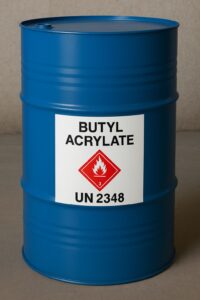
Butyl acrylate

Butyl acrylate is a colorless liquid monomer with a characteristic odor, widely used in the chemical industry for the production of polymers and copolymers. It is known for its ability to provide flexibility, adhesion, and water resistance in final products.

General properties

  • Chemical formula: C₇H₁₂O₂
  • Appearance: Transparent, colorless liquid
  • Boiling point: 145°C
  • Density: 0.89 g/cm³ at 20°C
  • Flammability: Highly flammable
  • Solubility: Insoluble in water but miscible with a wide range of organic solvents.

Main uses

  1. Polymer and Copolymer Manufacturing: Butyl acrylate is essential for producing materials with unique properties, such as:
  • Acrylic Resins: Used in paints, coatings, and adhesives.
  • Acrylic Copolymers: Employed in textiles, sealants, and emulsions.
  1. Paints and Coatings Industry: It is a key component in water-based and solvent-based paints, offering:
  • Excellent adhesion to various surfaces.
  • Weather and aging resistance.
  • Flexible and high-quality finishes.
  1. Adhesives and Sealants: Used in contact adhesives, industrial sealants, and high-strength formulations, known for forming durable bonds.
  1. Textile Industry: Enhances fabric finishing and durability, providing wash resistance and stain-resistant properties.
  1. Plastic Polymers Manufacturing: Copolymers with butyl acrylate are used in molded products requiring flexibility, transparency, and chemical resistance.

Safety and handling

Butyl acrylate must be handled carefully to avoid risks associated with its flammability and toxicity. General recommendations include:
  • Store in a cool, ventilated place, away from ignition sources.
  • Use appropriate personal protective equipment (gloves, goggles, masks) to avoid direct contact and inhalation of vapors.
  • In case of spills, use absorbents and follow local regulations for disposal.

Commitment to quality

Our butyl acrylate is imported under strict international standards, ensuring its purity and performance in industrial and commercial applications. Looking for a reliable supplier of butyl acrylate? Contact us for more information or a personalized quote.

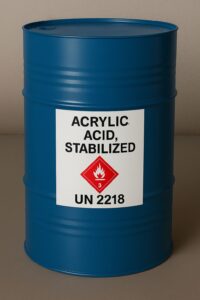
Acrylic acid

Acrylic acid is a versatile chemical compound widely used in the chemical industry as a base monomer for the production of polymers and copolymers. Its ability to react easily and form strong, durable structures makes it an essential component in various industrial sectors.

General characteristics

  • Chemical Formula: C₃H₄O₂
  • Appearance: Transparent, colorless liquid with a characteristic acrid odor.
  • Boiling Point: 141 °C
  • Density: 1.051 g/cm³ at 20 °C
  • Flammability: Highly flammable.
  • Solubility: Fully miscible in water and most organic solvents.


Main uses

Polymer and Copolymer Production:
Acrylic acid is a key component for the production of:

  • Superabsorbent Polymers (SAP): Used in diapers, personal hygiene products, and agricultural applications.
  • Acrylic Resins: Applied in paints, coatings, and adhesives.
  • Functional Copolymers: Used in textiles, paper, and water-based emulsions.

Paints and Coatings Industry:
In paints and lacquers, acrylic acid improves:

  • Abrasion and water resistance.
  • Durability and adhesion on difficult surfaces.

Adhesives and Sealants:
It is used in formulations of adhesives and sealants that require high adhesion and thermal resistance.

Property Modifier in Chemical Products:

  • Enhances flexibility and chemical resistance in plastic products.
  • Used in the production of dispersants and thickening agents.

Water Treatment Applications:
It is a key ingredient in formulations of polymers used for scale control and solid dispersion.

Safety and handling

Due to its chemical properties, acrylic acid should be handled under strict safety measures:

  • Store in a cool, dry, and well-ventilated place, away from heat sources or ignition.
  • Use personal protective equipment (gloves, goggles, masks) to prevent contact with skin and eyes, as well as inhalation of vapors.
  • In case of contact or exposure, rinse thoroughly with water and seek medical attention if necessary.


Commitment to quality

Our acrylic acid is imported under international standards that ensure its purity, quality, and performance, adapting to the needs of various industries.

Interested in acquiring acrylic acid for your industrial processes? Contact us for technical advice or a customized quote.
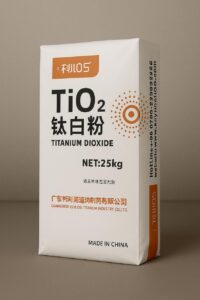
Titanium dioxide

Titanium dioxide (TiO₂) is a metallic oxide widely used for its excellent optical, chemical, and physical properties. It is an essential material in various industries due to its ability as a white pigment, high opacity, and chemical resistance.

General characteristics

  • Chemical Formula: TiO₂
  • Appearance: White crystalline powder, insoluble in water.
  • Density: 3.9–4.2 g/cm³, depending on the crystalline form.
  • Thermal Stability: Very high, resistant to extreme temperatures.
  • Refractive Index: High, ideal for optical applications.
  • Crystalline Forms: Anatase and rutile (most common).


Main uses

  1. Paints and Coatings Industry: Titanium dioxide is the most widely used white pigment globally, offering:
  • Excellent opacity and coverage.
  • Resistance to wear and durability against weathering.
  • Enhanced gloss and color stability.
  1. Plastics and Polymers: Used in the manufacturing of plastics to:Improve resistance to UV aging.
  • Provide uniform color and optical properties.
  • Increase the durability of products exposed to outdoor conditions.
  1. Cosmetics Industry: In products such as sunscreens and makeup, titanium dioxide serves as:
  • A physical UV filter.
  • A pigment providing bright and long-lasting colors.
  1. Paper Manufacturing: Improves brightness, whiteness, and opacity in paper, enhancing its visual quality.
    1. Special Applications:
  • Ceramics and Glass: Enhances optical and mechanical properties.
  • Food Industry: Used as an additive (E171) for a bright white color in products.
  • Self-Cleaning Coatings: Leveraging its photocatalytic properties.


Safety and Handling

Titanium dioxide is safe for industrial and commercial use, but certain precautions should be taken:

  • Handle in ventilated areas to avoid inhaling dust.
  • Use respiratory protection, gloves, and goggles when handling large quantities.
  • Store in a dry place, protected from moisture to prevent clumping


Commitment to quality

Our titanium dioxide meets the highest international standards, ensuring maximum purity and consistency to meet the needs of various industries.

Need titanium dioxide for your production processes? Contact us for more technical information or a personalized quote.
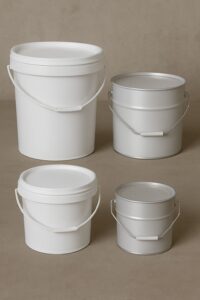
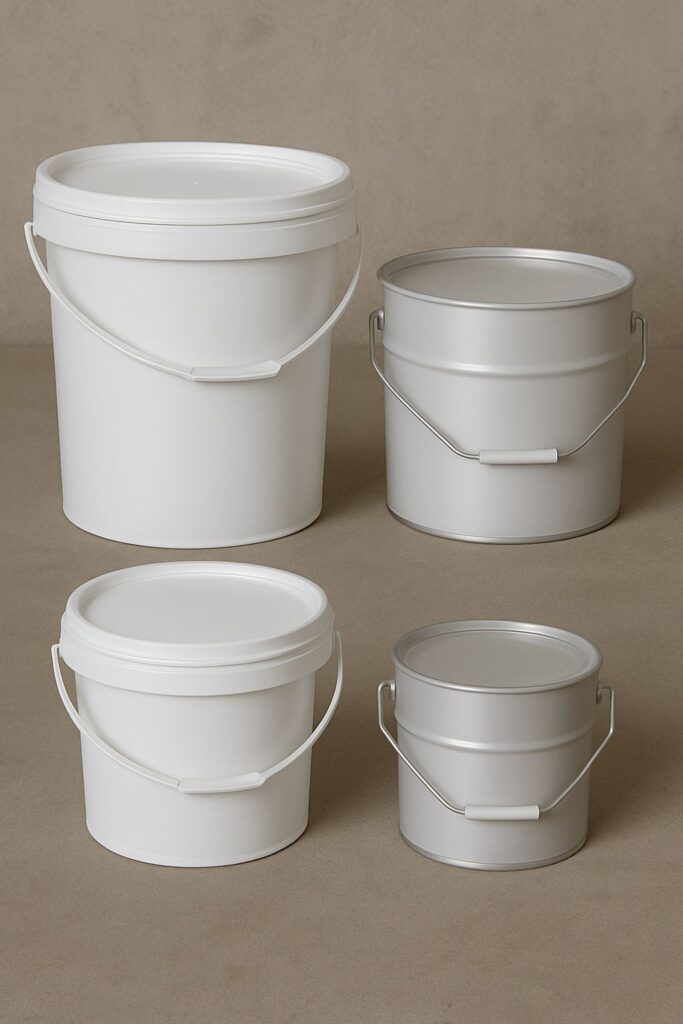
Tin and plastic containers

Our tin and plastic containers are versatile, durable, and reliable solutions designed for the safe storage and transportation of liquids and semi-solid products across various industries. Available in capacities of 1, 4, 10, 15, 18, and 20 liters, these containers meet the required quality and safety standards to ensure the integrity of their contents.

General characteristics

Materials:

  • Tin: Made of laminated steel, coated for corrosion resistance and chemical compatibility.
  • Plastic: Manufactured from high-density polyethylene (HDPE), impact-resistant and compatible with aggressive chemicals.
  • Closure Options:
  • Spout: Ideal for pourable liquids, with screw caps ensuring a tight seal.
  • American Lid: Designed for easy access to contents while providing secure and resistant sealing.
  • Capacities: Available in sizes of 1, 4, 10, 15, 18, and 20 liters to suit diverse needs.
  • Design: Stackable and optimized for maximizing storage and transportation efficiency.


Main uses

  1. Paints and Coatings Industry:
  • Storage and transportation of water-based and solvent-based paints, varnishes, and specialty coatings.
  • Hermetic seals to prevent leaks and protect contents from contaminants.
  1. Chemical Industry:
  • Ideal for chemicals such as solvents, adhesives, inks, and catalysts.
  • Tin containers offer chemical and mechanical resistance to aggressive products.
  1. Food Industry:
  • Plastic containers are suitable for oils, honey, and other food products (certification dependent).
  • Ensure food safety and easy handling.
  1. Lubricants and Petroleum Products:
  • Tin and plastic containers designed for lubricating oils, greases, and automotive fluids.
  • Resistant to highly viscous products and flammable liquids.
  1. Agrochemical Products:
  • Storage of liquid fertilizers, herbicides, and pesticides.
  • Materials ensure chemical stability and product safety.


Advantages of our containers

  • Durability: Highly resistant to impacts and adverse conditions during transportation.
  • Sealing: Secure closures to prevent leaks and contamination.
  • Compatibility: Suitable for a wide range of chemical and food products.
  • Customization: Printing and labeling options available to meet branding and regulatory needs.


Safety and handling

  • Store containers in dry, ventilated areas, avoiding prolonged exposure to heat sources.
  • Handle properly to prevent physical damage, especially with tin containers.
  • Ensure tight closures to prevent spills or leaks during transport.


Commitment to quality

Our tin and plastic containers are manufactured under strict international standards, ensuring superior performance and meeting the demands of various industrial sectors.

Looking for reliable, high-quality containers? Contact us for technical advice and a quote tailored to your needs.
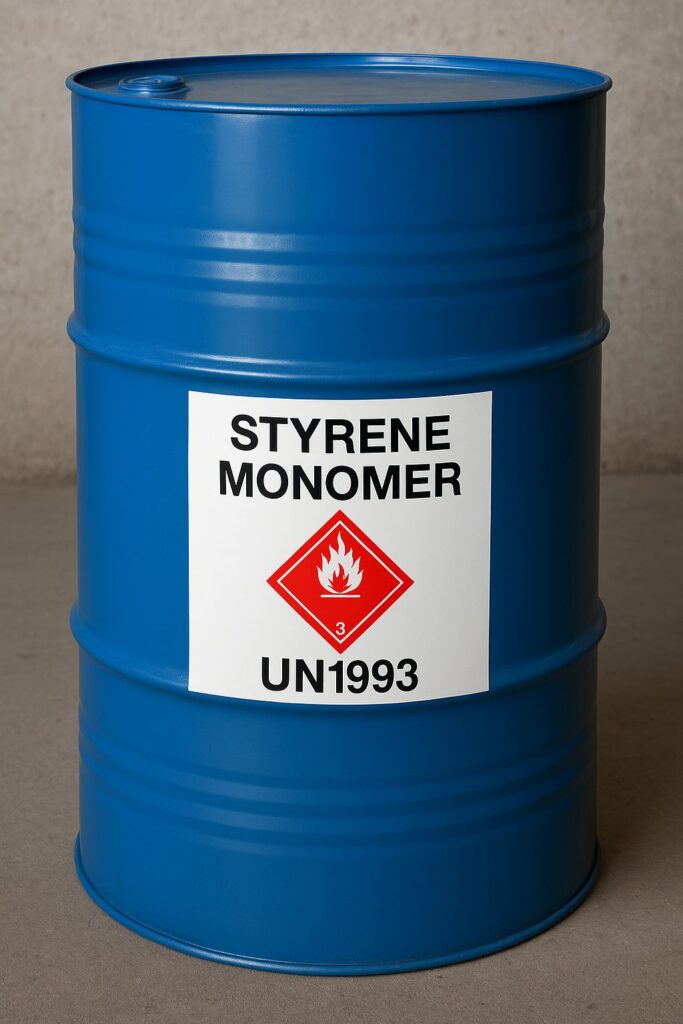
Styrene monomer

Styrene monomer is a transparent, colorless liquid chemical compound belonging to the family of aromatic hydrocarbons. It is widely used in various industries due to its versatility, low cost, and excellent polymerization capacity, enabling the production of a wide range of products.

General properties

  • Chemical formula: C₆H₅CH=CH₂
  • Appearance: Transparent liquid
  • Boiling point: 145°C
  • Density: 0.906 g/cm³ at 20°C
  • Flammability: Highly flammable
  • Solubility: Insoluble in water but miscible with organic solvents such as alcohols, ketones, and ethers.

Main uses

  1. Plastics and Polymers Industry:

Styrene monomer is the foundation for the production of a wide variety of polymers, such as:

  • Polystyrene (PS): Used in packaging, kitchen utensils, and disposable products.
  • Acrylonitrile Butadiene Styrene (ABS): Utilized in appliance casings and automotive parts.
  • Unsaturated Polyester Resins (UPR): Commonly used in composite materials and fiberglass.
  • Styrene-Butadiene Copolymers (SBR): Essential for tire production and rubber products.
  1. Paints and Coatings Industry:

As part of alkyd resins and additives, styrene enhances chemical resistance, gloss, and durability in paints.

  1. Adhesives and Sealants:

Used in the formulation of structural adhesives and sealants to improve adhesion and resistance to extreme temperatures.

  1. Construction Industry:

Styrene monomer is employed in products such as anchoring compounds and improved mortars.


Safety and handling

Styrene monomer must be handled with care due to its flammability and toxicity. General recommendations include:

  • Store in airtight containers away from heat or sparks.
  • Use personal protective equipment (gloves, goggles, respirators) when handling.
  • Avoid prolonged exposure to vapors, as they can irritate the skin, eyes, and respiratory system.


Commitment to quality

Our styrene monomer meets the highest quality standards, ensuring a reliable and efficient product for your industrial processes.

Interested in acquiring styrene monomer or receiving technical advice? Contact us, and a specialist will assist with your needs.

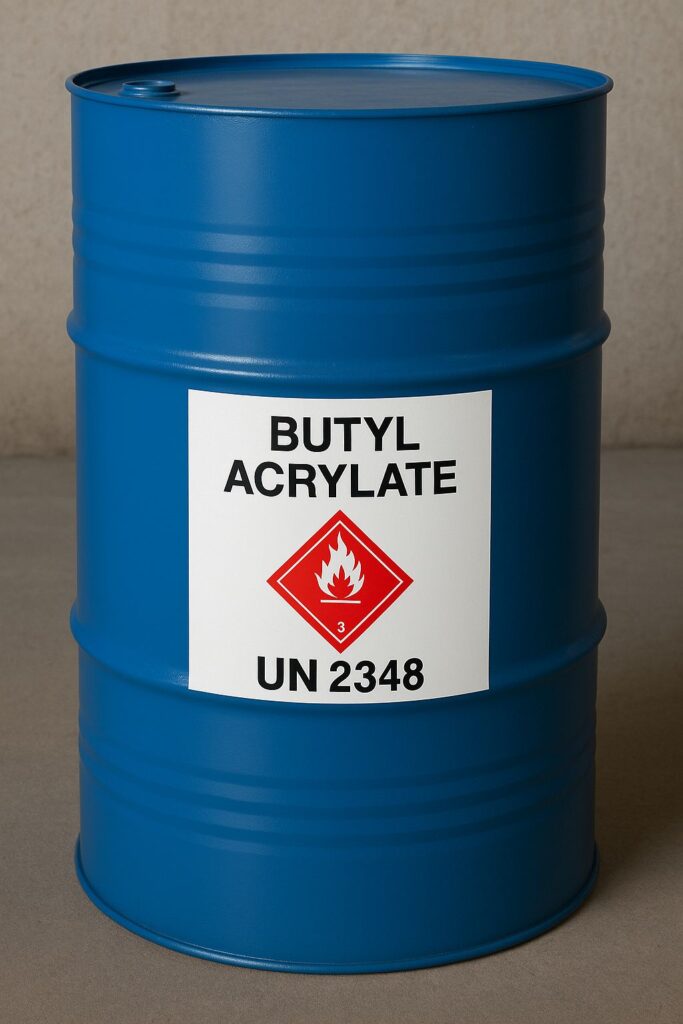
Butyl acrylate

Butyl acrylate is a colorless liquid monomer with a characteristic odor, widely used in the chemical industry for the production of polymers and copolymers. It is known for its ability to provide flexibility, adhesion, and water resistance in final products.
General properties

  • Chemical formula: C₇H₁₂O₂
  • Appearance: Transparent, colorless liquid
  • Boiling point: 145°C
  • Density: 0.89 g/cm³ at 20°C
  • Flammability: Highly flammable
  • Solubility: Insoluble in water but miscible with a wide range of organic solvents

Main uses

  1. Polymer and Copolymer Manufacturing: Butyl acrylate is essential for producing materials with unique properties, such as:
  • Acrylic Resins: Used in paints, coatings, and adhesives.
  • Acrylic Copolymers: Employed in textiles, sealants, and emulsions.
  1. Paints and Coatings Industry: It is a key component in water-based and solvent-based paints, offering:
  • Excellent adhesion to various surfaces.
  • Weather and aging resistance.
  • Flexible and high-quality finishes.
  1. Adhesives and Sealants: Used in contact adhesives, industrial sealants, and high-strength formulations, known for forming durable bonds.
  1. Textile Industry: Enhances fabric finishing and durability, providing wash resistance and stain-resistant properties.
  1. Plastic Polymers Manufacturing: Copolymers with butyl acrylate are used in molded products requiring flexibility, transparency, and chemical resistance.

Safety and handling

Butyl acrylate must be handled carefully to avoid risks associated with its flammability and toxicity. General recommendations include:

  • Store in a cool, ventilated place, away from ignition sources.
  • Use appropriate personal protective equipment (gloves, goggles, masks) to avoid direct contact and inhalation of vapors.
  • In case of spills, use absorbents and follow local regulations for disposal.


Commitment to quality

Our butyl acrylate is imported under strict international standards, ensuring its purity and performance in industrial and commercial applications.

Looking for a reliable supplier of butyl acrylate? Contact us for more information or a personalized quote.

Acylic acid

Acrylic acid is a versatile chemical compound widely used in the chemical industry as a base monomer for the production of polymers and copolymers. Its ability to react easily and form strong, durable structures makes it an essential component in various industrial sectors.
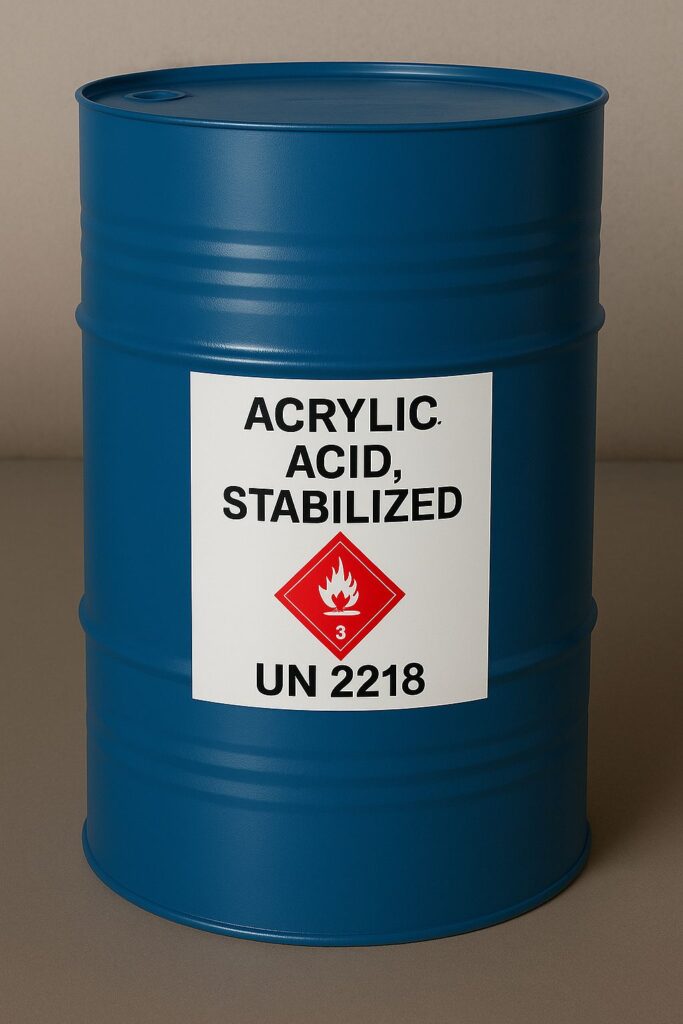
General properties

  • Chemical Formula: C₃H₄O₂
    Appearance: Transparent, colorless liquid with a characteristic acrid odor.
  • Boiling Point: 141 °C.
  • Density: 1.051 g/cm³ at 20 °C.
  • Flammability: Highly flammable.
  • Solubility: Fully miscible in water and most organic solvents.

Main uses

Polymer and Copolymer Production: Acrylic acid is a key component for the production of:
  • Superabsorbent Polymers (SAP): Used in diapers, personal hygiene products, and agricultural applications.
  • Acrylic Resins: Applied in paints, coatings, and adhesives.
  • Functional Copolymers: Used in textiles, paper, and water-based emulsions.

Paints and Coatings Industry: In paints and lacquers, acrylic acid enhances:
  • Abrasion and water resistance.
  • Durability and adhesion on difficult surfaces.

Adhesives and Sealants: It is used in formulations of adhesives and sealants that require high adhesion and thermal resistance.

Property Modifier in Chemical Products:
  • Enhances flexibility and chemical resistance in plastic products.
  • Used in the production of dispersants and thickening agents.

Water Treatment Applications: It is a key ingredient in formulations of polymers used for scale control and solid dispersion.

Safety and handling

Due to its chemical properties, acrylic acid should be handled under strict safety measures:

  • Store in a cool, dry, and well-ventilated place, away from heat sources or ignition.
  • Use personal protective equipment (gloves, goggles, masks) to prevent contact with skin and eyes, as well as inhalation of vapors.
  • In case of contact or exposure, rinse thoroughly with water and seek medical attention if necessary.

Commitment to quality

Our acrylic acid is imported under international standards that ensure its purity, quality, and performance, adapting to the needs of various industries.

Interested in acquiring acrylic acid for your industrial processes? Contact us for technical advice or a customized quote.

Titanium dioxide

Titanium dioxide (TiO₂) is a metallic oxide widely used for its excellent optical, chemical, and physical properties. It is an essential material in various industries due to its ability as a white pigment, high opacity, and chemical resistance.
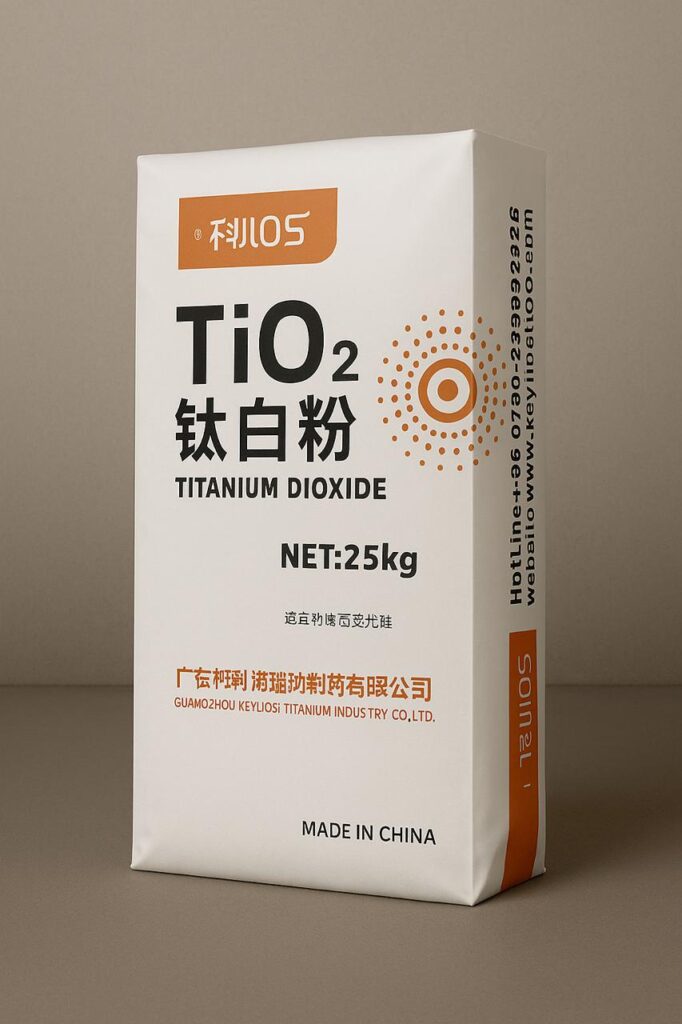
General properties

  • Chemical Formula: TiO₂
  • Appearance: White crystalline powder, insoluble in water.
  • Density: 3.9–4.2 g/cm³, depending on the crystalline form.
  • Thermal Stability: Very high, resistant to extreme temperatures.
  • Refractive Index: High, ideal for optical applications.
  • Crystalline Forms: Anatase and rutile (most common).

Main uses

  1. Paints and Coatings Industry: Titanium dioxide is the most widely used white pigment globally, offering:
  • Excellent opacity and coverage.
  • Resistance to wear and durability against weathering.
  • Enhanced gloss and color stability.


  1. Plastics and Polymers: Used in the manufacturing of plastics to:
  • Improve resistance to UV aging.
  • Provide uniform color and optical properties.
  • Increase the durability of products exposed to outdoor conditions.


  1. Cosmetics Industry: In products such as sunscreens and makeup, titanium dioxide serves as:
  • A physical UV filter.
  • A pigment providing bright and long-lasting colors.


  1. Paper Manufacturing: Improves brightness, whiteness, and opacity in paper, enhancing its visual quality.
  1. Special Applications:
  • Ceramics and Glass: Enhances optical and mechanical properties.
  • Food Industry: Used as an additive (E171) for a bright white color in products.
  • Self-Cleaning Coatings: Leveraging its photocatalytic properties


Safety and handling

Titanium dioxide is safe for industrial and commercial use, but certain precautions should be taken:

  • Handle in ventilated areas to avoid inhaling dust.
  • Use respiratory protection, gloves, and goggles when handling large quantities.
  • Store in a dry place, protected from moisture to prevent clumping.


Commitment to quality

Our titanium dioxide meets the highest international standards, ensuring maximum purity and consistency to meet the needs of various industries.

Need titanium dioxide for your production processes? Contact us for more technical information or a personalized quote.


Tin and plastic

Our tin and plastic containers are versatile, durable, and reliable solutions designed for the safe storage and transportation of liquids and semi-solid products across various industries. Available in capacities of 1, 4, 10, 15, 18, and 20 liters, these containers meet the required quality and safety standards to ensure the integrity of their contents.

General characteristics

Materials:

  • Tin: Made of laminated steel, coated for corrosion resistance and chemical compatibility.
  • Plastic: Manufactured from high-density polyethylene (HDPE), impact-resistant and compatible with aggressive chemicals.

Closure Options:

  • Spout: Ideal for pourable liquids, with screw caps ensuring a tight seal.
  • American Lid: Designed for easy access to contents while providing secure and resistant sealing.
  • Capacities: Available in sizes of 1, 4, 10, 15, 18, and 20 liters to suit diverse needs.Design: Stackable and optimized for maximizing storage and transportation efficiency.

Main uses

  1. Paints and Coatings Industry:
  • Storage and transportation of water-based and solvent-based paints, varnishes, and specialty coatings.
  • Hermetic seals to prevent leaks and protect contents from contaminants.
  1. Chemical Industry:
  • Ideal for chemicals such as solvents, adhesives, inks, and catalysts.
  • Tin containers offer chemical and mechanical resistance to aggressive products.
  1. Food Industry:
  • Plastic containers are suitable for oils, honey, and other food products (certification dependent).
  • Ensure food safety and easy handling.
  1. Lubricants and Petroleum Products:
  • Tin and plastic containers designed for lubricating oils, greases, and automotive fluids.
  • Resistant to highly viscous products and flammable liquids.
  1. Agrochemical Products:
  • Storage of liquid fertilizers, herbicides, and pesticides.
  • Materials ensure chemical stability and product safety.

Advantages

  • Durability: Highly resistant to impacts and adverse conditions during transportation.
  • Sealing: Secure closures to prevent leaks and contamination.
  • Compatibility: Suitable for a wide range of chemical and food products.
  • Customization: Printing and labeling options available to meet branding and regulatory needs.

Safety and handling

  • Store containers in dry, ventilated areas, avoiding prolonged exposure to heat sources.
  • Handle properly to prevent physical damage, especially with tin containers.
  • Ensure tight closures to prevent spills or leaks during transport.

Commitment to quality

Our tin and plastic containers are manufactured under strict international standards, ensuring superior performance and meeting the demands of various industrial sectors.

Looking for reliable, high-quality containers? Contact us for technical advice and a quote tailored to your needs.